Polycystic ovary syndrome (PCOS) is one of the most common causes of hormonal disorders in women. Many patients are given the label “you have PCOS” without a clear plan.
This article helps you to understand it without noise and, above all, to know what to do.
PCOS is not a life sentence: it can respond well to a strategy involving strength training, nutrition and habits. Perfection is not required; consistency is.
What is PCOS? The essentials
PCOS is a “syndrome”: a group of signs and symptoms that can vary considerably between women. In brief, it is often associated with:
- Ovulation disorders (irregular cycles, anovulation)
- Signs of hyperandrogenism (acne, increased hair, hair loss)
- Compatible ultrasound findings (not required)

Why it differs between women
There are different profiles. Understanding your profile helps to decide the strategy.
| Area | What should be known |
|---|---|
| Cycle and ovulation | How often you have periods and your reproductive goals. |
| Skin and hair | Acne, excess hair or hair loss that you're worried about. |
| Metabolic health | BP, lipid profile and glucose assessment as per case. |
| Wellbeing | Sleep, your relationship with food, mood and barriers to self-care. |
Realistic objectives
- Improve metabolic health and physical capacity.
- Organize sufficient and sustainable food.
- Address the cycle, skin or fertility with the appropriate treatment.
- Care for well-being and reduce the burden that symptoms generate in your life.
Practical strategy
What tends to help
Step by step
From diagnosis to your own plan
Define priority
Menstrual cycles, skin, fertility, energy or metabolic health: identify what you want to improve.
Eat with structure
Include protein and fibre, prepare options for busy days and avoid long periods of restriction that lead to intense hunger.
Combine strength and cardio
Choose activities you can maintain. Strength training works the muscles; brisk walking, cycling or swimming improve endurance.
Watch the recovery
Book time to sleep and address stress, anxiety or difficulties with food.
Check and adjust
Watch the changes and adapt both habits and treatment to each stage.

What to monitor (no obsession)
| Area | Example of progress |
|---|---|
| Capacity | You train more safely or you better tolerate the walks. |
| Food | You come with less intense hunger and you have options to improvise. |
| Cycle and symptoms | You record their evolution and check the treatment when needed. |
| Metabolic health | The measures or results agreed upon are improved. |
The international guideline recommends assessing metabolic health in women of normal weight too. The clinician selects the appropriate glucose tests and other checks. Weight is not the only reason to pay attention, or the only result worth celebrating.
What tends to make a difference with PCOS
To understand better
The benefits do not fit only on a scale
Capacity
More strength, endurance and confidence in movement.
Routine
Meals that support you and a plan with less improvisation.
Health
Monitor glucose, lipids, menstrual cycles and wellbeing according to your needs.
Myths and realities
Myths
“PCOS always means being overweight.”
No. PCOS can occur at a normal weight with significant symptoms.
“I have polycystic ovaries, so I have PCOS.”
Not necessarily. Diagnosis requires more criteria.
“Only medication or supplements can address it.”
Habits are central to treatment. Medication may be important for the cycle, symptoms or fertility. Combining resources according to the objective makes it possible to better address each situation.
Questions that help take the next step
Can I improve my health even if my weight is normal?
Yes. Physical activity, nutrition and rest have value in their own right. Your goals may be physical ability, wellbeing and metabolic health, without aiming to lose weight.
Do I need to cut out carbohydrates?
A healthy diet can have different balances of nutrients. Prioritising quality, fibre and portions that suit you helps establish a sustainable way of eating.
How do I fit the training if I'm starting?
Set aside two times for strength training and add manageable walks. Begin with a load you can control and increase it as you gain confidence.
What about supplements like inositol?
It is important to talk about what objective you seek and what options exist. The choice is made with the rest of the plan and treatment, without replacing the necessary controls.
The relationship between muscle and insulin, in practice
Insulin helps glucose enter cells. Active muscle uses glucose during exercise, and training improves its ability to use that fuel. That is why movement matters even when weight does not change. You may notice the benefit first when walking, during training or in your day-to-day energy levels.
This moves beyond the idea that “if I do not lose weight, it is not working”. A woman with PCOS whose weight is stable may be gaining strength, improving her diet and caring for her metabolic health. These gains matter too and help sustain the process.
Build a meal that works for you
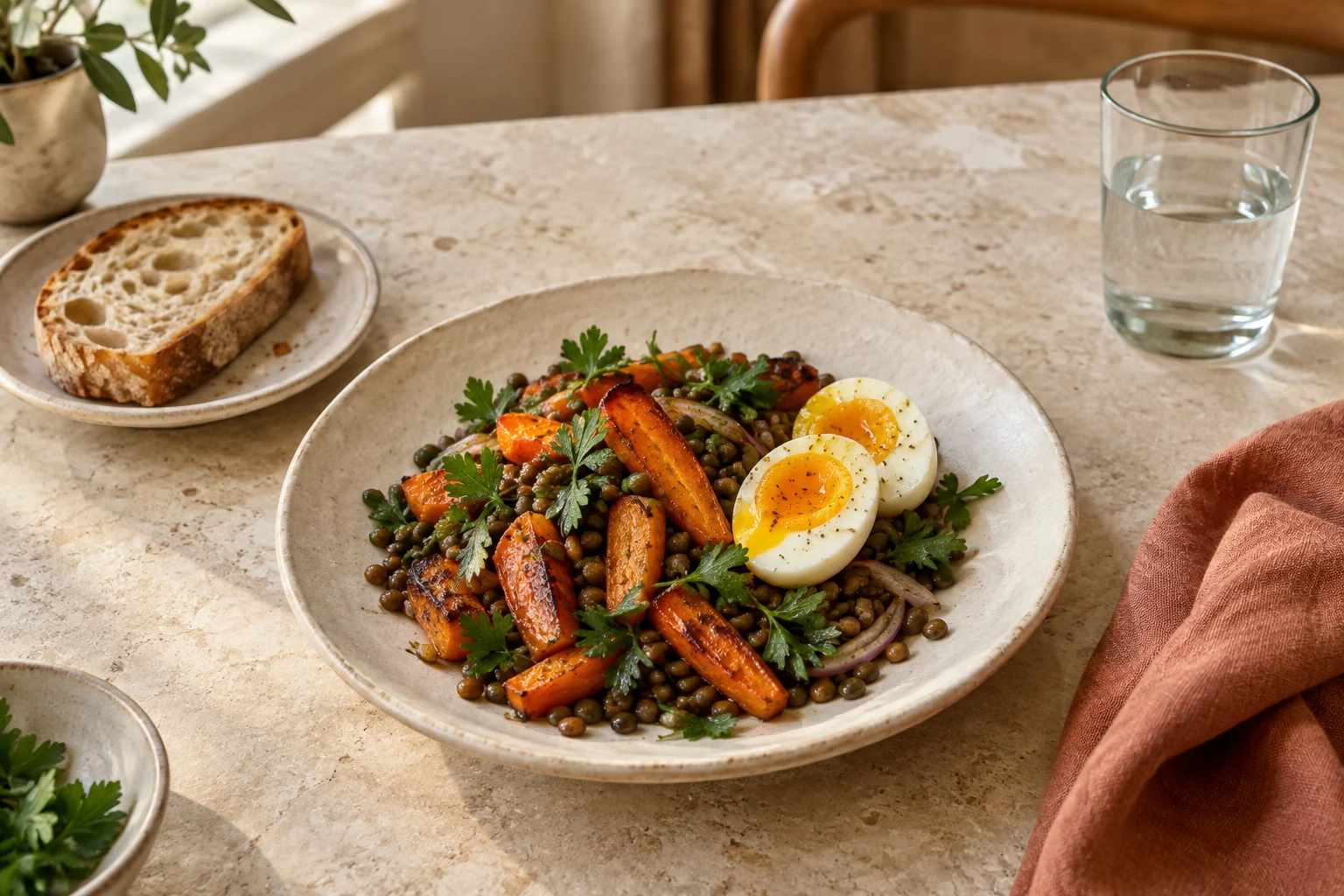
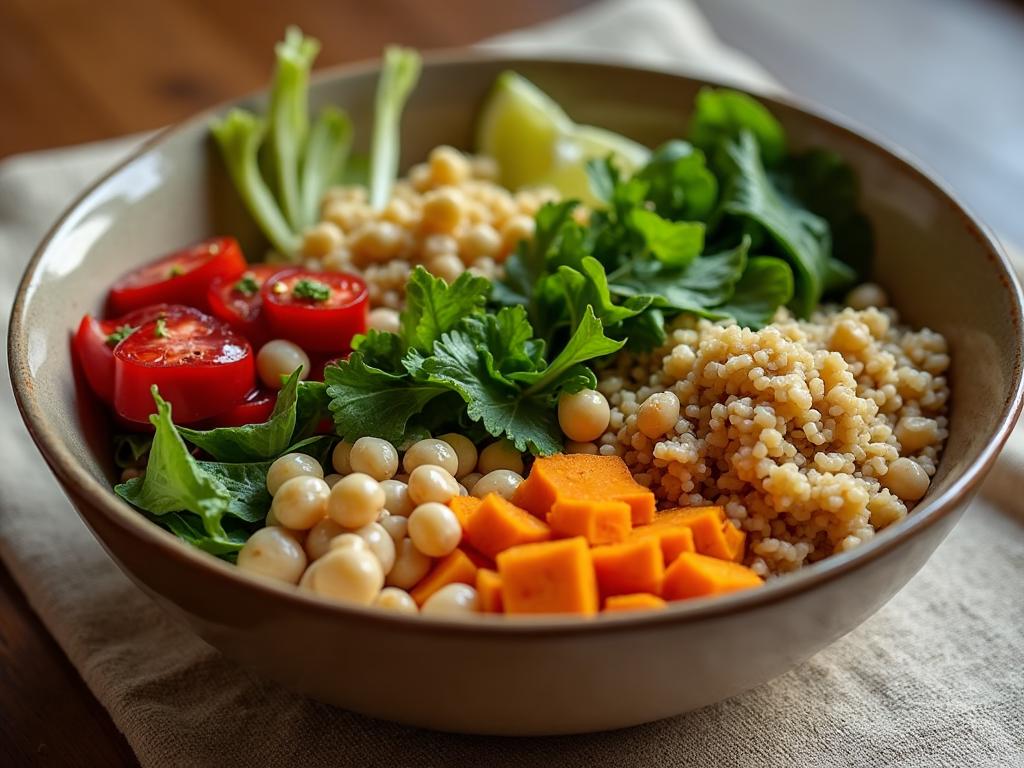
Consider pulses with vegetables and egg, fish with potatoes and salad, or tofu with rice and vegetables. The combination of protein, fiber and enough energy helps keep you satisfied until the next meal. If you train, adapt your side dish to the session rather than routinely cutting it out.
The proposal has to fit your tastes, schedules and budget. The best plan leaves room for eating out and for the hard weeks. Choosing two or three resources you can repeat is a solid way to start.